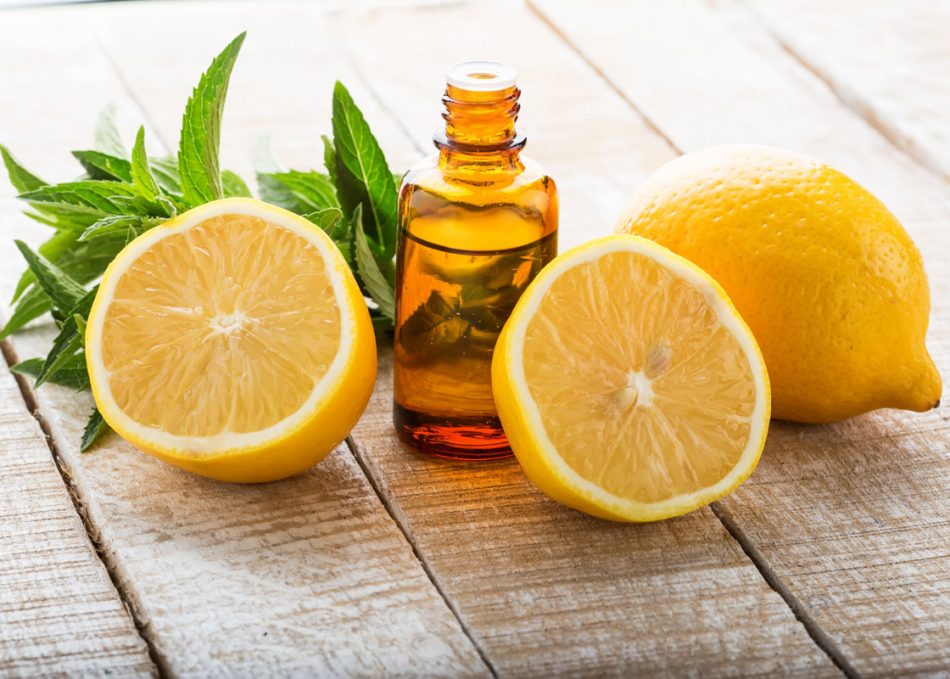
Aromatherapy, also known as essential oil therapy, involves the art and science of using naturally extracted aromatic essences from plants to balance, harmonize and promote the health of the body, mind and spirit. The approach seeks to combine the physiological, psychological and spiritual processes to enhance a person’s innate healing process. Aromatherapy can involve the use of diffusers, which are similar to vaporizers, as well as candles and lotions. Lavender, bergamot and chamomile capsules are also available.
Some physicians believe the body’s olfactory system is the key to how aromatherapy works, though clinical research isn’t definitive. Inhaling essential oil molecules can stimulate the parts of the brain that store emotions and memories, Neil-Sherwood says, and these molecules can promote positive feelings of happiness and joy.
The results of a clinical trial published this spring in the Iranian Journal of Nursing and Midwifery Research of 140 women admitted to an obstetric and gynecological unit found that inhaling a lavender scent for four weeks helped prevent stress, anxiety and depression after childbirth.
A study published in 2014 in the peer-reviewed journal Biomed Research International found that 44 older people suffering from chronic pain experienced significantly reduced depression, anxiety and stress levels after they participated in a four-week aromatherapy program
Some physicians say essential oils show promise for treating depression, but caution they would like to see more clinical research on their effectiveness in treating the malady.